How Can You Master Home Cooking on a Tight Budget?
Meal planning‚ affordable staples‚ batch cooking‚ homemade basics and less food waste: how to eat well at home while keeping costs down.
Smart Meal Planning and Shopping
Effective meal planning is a key strategy for saving money on groceries. Start by planning your meals for the week‚ taking into account the ingredients you already have at home. Make a shopping list of the items you need‚ which helps prevent impulse buys so you don't purchase things you don't need. Shopping with a list keeps you focused‚ reduces waste and makes your budget stretch further. Look for discounts‚ special offers and seasonal produce to get the most out of every shopping trip‚ and consider buying in bulk the items you use often‚ since this offers additional savings.
Creative Use of Affordable Ingredients
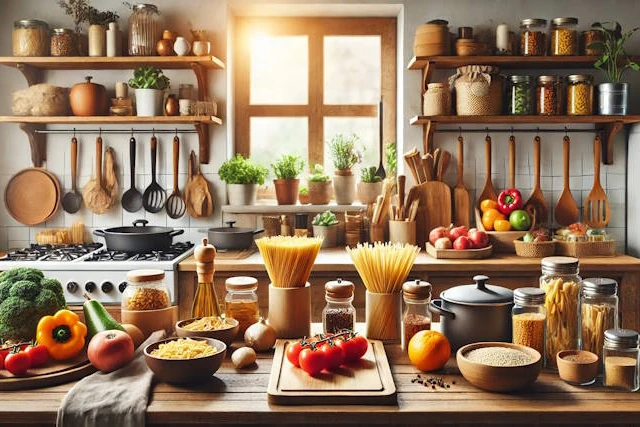
Affordable ingredients such as beans‚ lentils‚ rice and pasta are versatile staples that can form the base of many tasty dishes. They are nutritious and filling and can be used in a wide range of meals‚ from soups and stews to salads and casseroles. Learning a few recipes built around budget-friendly items lets you experiment with flavors and add variety to your meals. Fresh herbs‚ spices and simple sauces can elevate these ingredients and bring depth of flavor without adding significant cost.
Batch Cooking and Freezing Leftovers
Batch cooking is a great way to save both time and money in the kitchen. By preparing larger quantities of food and freezing portions for later‚ you can reduce food waste and make sure you always have a home-cooked meal within reach. Batch cooking makes efficient use of bulk ingredients and helps you manage your grocery budget more effectively. Having ready meals in the freezer makes it easier to resist the temptation of ordering takeout and saves even more money.
Homemade Alternatives
Making homemade versions of pantry staples such as sauces‚ dressings and even bread can be economical and sometimes healthier than store-bought options. Simple ingredients go a long way‚ and recipes for homemade basics are widely available online. Making these items at home gives you control over the ingredients and lets you avoid the additives and preservatives found in many commercial products. Creating homemade versions of common items can add a sense of achievement and creativity to your cooking routine.
Reducing Food Waste and Reusing Leftovers
Minimizing food waste is essential when cooking on a budget. Get creative with leftovers by turning them into new dishes; for example‚ roasted vegetables from dinner can go into a stir-fry or an omelet the next day. Stale bread can become croutons or breadcrumbs‚ and vegetable scraps can be used to make a flavorful stock. Paying attention to food waste saves money‚ supports a more sustainable approach to cooking and makes the most of every ingredient.
In Summary
Mastering the art of home cooking on a budget is a rewarding experience that brings both satisfaction and savings. By planning meals‚ choosing affordable ingredients‚ batch cooking‚ trying homemade items and reducing food waste‚ you can create nutritious and tasty dishes without overspending. With a few adjustments and a little creativity‚ cooking at home can be economical and enjoyable‚ letting you savor delicious meals while staying within your budget.