The Role of Art in Boosting Emotional Intelligence
How drawing‚ painting and sculpture help students understand themselves‚ build empathy and cope with difficult emotions in healthy ways.
Encouraging Self-Awareness Through Artistic Expression
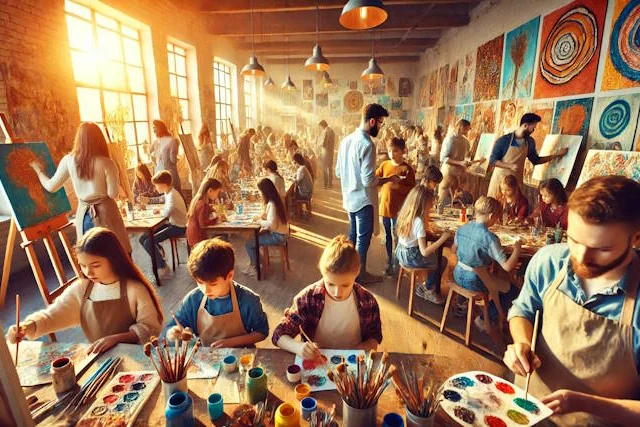
Art encourages self-awareness by making it possible to explore inner thoughts and feelings. Through drawing‚ painting or sculpture‚ students can express complex emotions that may be hard to put into words. This practice helps them better understand their emotional state and recognize basic feelings that can affect their behavior. Reflecting on their artwork can provide insight into personal strengths‚ challenges and emotional triggers. Self-awareness developed through art contributes to emotional regulation and helps students make thoughtful choices in their interactions. Ultimately‚ this foundation of self-awareness supports healthier relationships and personal well-being.
Enhancing Empathy and Social Understanding
Art is also a powerful tool for building empathy and social understanding. When students take part in group art projects or discuss one another's work‚ they are exposed to diverse perspectives and emotional experiences. This exposure encourages them to see situations from different points of view‚ fostering empathy and respect for the feelings of others. Art activities that focus on themes of identity‚ community or social issues allow students to connect emotionally with people from different backgrounds. Such experiences create a sense of shared humanity and encourage students to appreciate the uniqueness of others. Developing empathy through art can lead to fuller interactions and stronger social skills.
Building Emotional Resilience and Coping Skills
Engaging in art helps build emotional resilience by offering a constructive outlet for processing emotions. Creative activities give students a safe space to explore difficult feelings‚ reduce stress and promote mental well-being. Artistic expression can serve as a form of self-soothing‚ allowing students to work through challenging emotions such as anger‚ sadness or frustration without feeling overwhelmed. Through repeated practice‚ students develop effective coping mechanisms and learn to channel their emotions in positive ways. The ability to manage stress through creativity contributes to a stronger emotional foundation and improves their capacity to deal with adversity.
In Summary
The role of art in boosting emotional intelligence is highly valuable‚ as it encourages self-awareness‚ empathy and resilience. By integrating art into education‚ schools can support students' emotional and social development and prepare them for the complexities of life. Art-based activities offer unique opportunities for emotional growth and help shape well-rounded individuals who are better equipped to understand and manage their emotions.