How to Master the Art of Making Homemade Sauces
The key ingredients‚ basic techniques and classic recipes behind great homemade sauces‚ plus tips for experimenting with your own flavors.
Essential Ingredients for Great Sauces
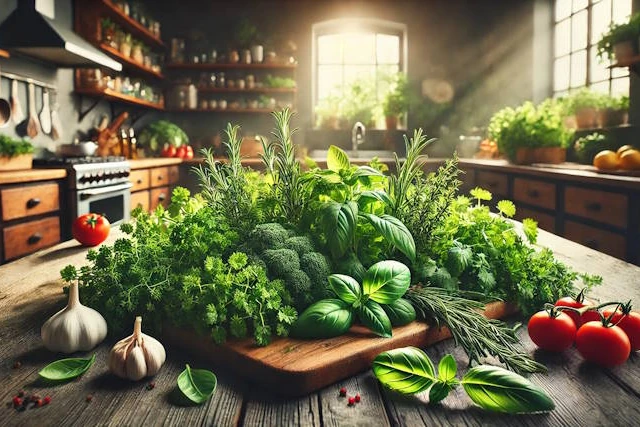
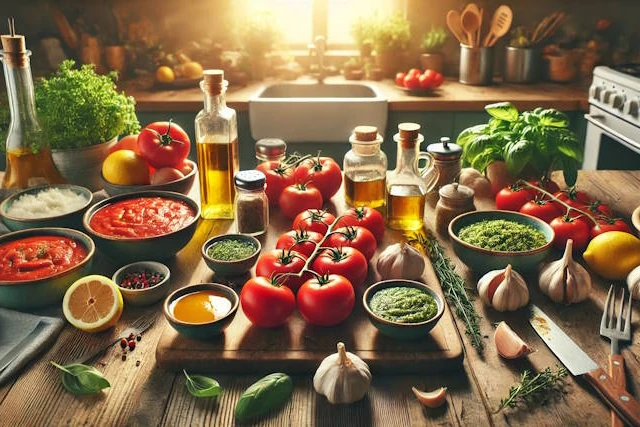
A good sauce starts with quality ingredients that deliver fresh‚ vibrant flavors. Common essential ingredients include olive oil‚ butter‚ garlic‚ onion and a selection of herbs such as basil‚ parsley and thyme. Tomatoes are a rich base for marinara and other tomato-based sauces‚ while cream and cheese create luxurious‚ creamy sauces. Vinegar or lemon juice adds acidity‚ balances richer flavors and enhances the overall taste of the dish. Choosing fresh‚ seasonal produce improves the flavor of sauces and allows adjustments based on availability‚ making each sauce unique and suited to the dish.
Basic Sauce-Making Techniques
Mastering a few basic techniques is important for making a successful sauce. Sautéing garlic and onion at the start of many recipes releases their natural flavors and creates a tasty base. For creamy sauces‚ gently simmering cream or milk prevents curdling and helps achieve a smooth texture. Blending is used for pesto and other herb-based sauces to get an even‚ cohesive mixture. Whisking a roux - equal parts butter and flour - adds body to sauces like béchamel and gives them a rich‚ velvety consistency. With practice‚ these techniques make sauce-making simple and rewarding.
Classic Sauces Every Home Cook Should Know
Knowing a few classic sauces can elevate any home-cooked meal. Marinara‚ made from tomatoes‚ garlic and herbs‚ is versatile and works well with pasta‚ meat and vegetables. Béchamel‚ a creamy white sauce‚ can serve as a solid base for many casseroles and gratins and provides a smooth‚ comforting texture. Pesto‚ a blend of basil‚ pine nuts‚ Parmesan and olive oil‚ brings fresh‚ aromatic flavors to a variety of dishes. Each of these sauces is the foundation for countless variations‚ allowing home cooks to experiment with flavor combinations and adapt them to different cuisines.
Customizing and Experimenting with Flavors
One of the joys of homemade sauces is the freedom to adjust flavors to personal taste. Adding a pinch of red pepper flakes for heat or a squeeze of lemon for brightness can completely change the character of a sauce. Herbs‚ spices and aromatics such as rosemary‚ thyme or even saffron add layers of flavor‚ making each sauce unique. Experimenting with ingredients like roasted garlic‚ sun-dried tomatoes or fresh chili can add unexpected depth. By tasting and adjusting as you go‚ you gain control over the final result and create sauces that are distinctly your own.
Conclusion
Mastering homemade sauces brings versatility‚ flavor and a personal touch to cooking and easily improves everyday meals. From classic recipes to creative variations‚ sauces have the power to turn dishes into something extraordinary. With basic techniques‚ quality ingredients and a willingness to experiment‚ anyone can make delicious‚ satisfying sauces at home. Embracing the art of sauce-making opens up endless culinary possibilities and takes every meal to a new level of flavor and enjoyment.