How Is AI Changing Personal Health Monitoring Technology in 2025?
Wearables‚ AI-powered health apps‚ real-time alerts and smart home integration: how artificial intelligence is reshaping personal health monitoring in 2025.
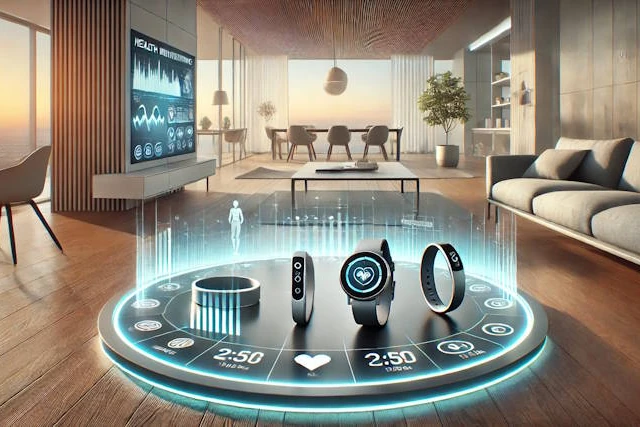
Advances in Wearable Technology
Wearable devices such as smartwatches and fitness trackers are now equipped with AI algorithms that analyze data more precisely than ever. These devices track vital signs‚ including heart rate‚ blood oxygen levels and sleep patterns‚ while providing actionable insights. In 2025‚ wearables also include non-invasive glucose measurement‚ which helps people with diabetes manage their condition effectively.
Artificial intelligence enables continuous monitoring of these parameters‚ learning from the user's habits in order to offer health suggestions. This has turned wearables into important tools for proactive health management.
AI-Powered Health Apps
AI-driven health apps have revolutionized the way people interact with their health data. These applications collect data from several devices and present it in a user-friendly format. They use artificial intelligence to predict potential health risks and recommend preventive measures‚ such as changes in diet or exercise routines.
AI-powered apps can integrate seamlessly with telemedicine platforms‚ allowing users to share their health data directly with healthcare providers. This creates a bridge between personal monitoring and professional medical advice.
Real-Time Health Insights
One of the most significant advantages of AI in health monitoring is its ability to provide real-time insights. AI systems analyze data as it is recorded and immediately alert users to irregularities such as arrhythmias or elevated blood pressure. Early detection of problems like these can save lives and may call for immediate medical intervention.
These real-time insights are especially helpful for people with chronic conditions‚ enabling them to manage their health more effectively and avoid complications.
Integration with Smart Home Ecosystems
AI-driven health monitoring systems are increasingly being integrated with smart home ecosystems. Smart home devices such as voice assistants and smart mirrors now work together with health trackers to provide comprehensive health data at a glance. Users can receive medication reminders‚ schedule health checkups and track their progress effortlessly.
Integration makes health monitoring a natural part of everyday life and reduces the effort required to maintain good health.
Recommendations
Artificial intelligence uses machine learning to analyze individual health data and lifestyle patterns and offers health recommendations. From tailored workout plans to nutritional suggestions‚ AI ensures that users receive advice suited to their unique needs and goals. A personalized approach improves adherence to health plans and improves overall outcomes.
Artificial Intelligence and Preventive Health
AI's predictive capabilities support preventive healthcare. By analyzing trends in health data‚ AI can identify potential risks before they become problems. For example‚ AI can predict the likelihood of developing conditions such as high blood pressure or diabetes‚ allowing users to take preventive measures early.
AI-powered preventive health services reduce the burden on healthcare systems and empower people to look after their health proactively.
Better Mental Health Monitoring
Artificial intelligence has extended its reach to mental health monitoring‚ offering tools for tracking stress levels‚ mood patterns and sleep quality. Apps use data from wearables and self-reported inputs to provide insights into mental well-being. They also offer relaxation techniques and connect users with professional support when needed.
The focus on mental health is especially valuable as more people recognize the importance of holistic well-being.
Challenges and Ethical Considerations
While artificial intelligence has transformed health monitoring‚ it also raises concerns about data privacy and accuracy. Keeping health data secure and using it responsibly remains a top priority. AI systems must be transparent in how they operate in order to build user trust.
Addressing these challenges will be essential to realizing the benefits of AI in personal health monitoring.
Future Trends in AI-Driven Health Monitoring
The future of AI in health monitoring includes advances such as wearable patches‚ advanced biometric sensors and integration with genetic data. Innovations like these promise even more accurate health assessments and treatment.
The development of AI-driven health coaches that offer guidance and motivation in real time is expected to increase user engagement with health monitoring tools.
Conclusion
AI is revolutionizing personal health monitoring by providing real-time insights‚ recommendations and seamless integration with smart home ecosystems. As the technology develops‚ it promises to make health management more accessible and efficient for people around the world. Taking advantage of these advances in 2025 allows users to take charge of their well-being‚ helping build a healthier and smarter society.