How Music Shapes Creativity in Children
How playing and listening to music builds children's imagination‚ problem-solving skills‚ emotional awareness and self-confidence.
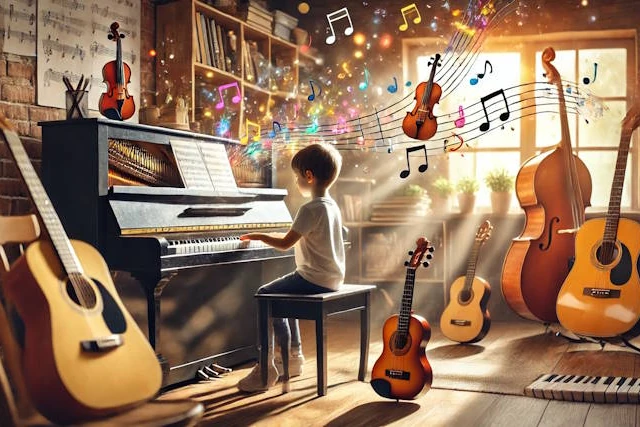
A Richer Imagination Through Musical Exploration
Making music encourages children to explore new sounds‚ rhythms and melodies that can spark their imagination. When children try out instruments or create tunes of their own‚ they are free to express feelings and ideas beyond words. This kind of exploration lets them think in abstract ways and connect with their inner creativity. Music also lets children step into different roles‚ such as pretending to be a musician or a conductor‚ which feeds their imaginative play. Regular exposure to music creates an environment where children feel safe to express themselves creatively and explore new possibilities.
Building Problem-Solving Skills Through Music
Music asks children to pay attention‚ listen actively and interpret what they hear‚ all of which contributes to problem-solving skills. Learning to play an instrument or read music requires recognizing patterns‚ memorizing sequences and understanding timing. Tasks like these push children to think critically and find ways to achieve harmony in their music. For example‚ adjusting their approach to hit the right note or keep the beat sharpens their ability to adapt and solve challenges. The problem-solving skills gained through music carry over to other areas of life‚ improving cognitive flexibility and resilience.
Encouraging Emotional Expression and Awareness
Music is a powerful medium for emotional expression that allows children to convey feelings they may not yet have words for. Playing music‚ or even just listening to it‚ helps children process emotions and develop a deeper understanding of their feelings. When a child plays a happy tune or a slow‚ melancholy one‚ they learn to express their emotional state creatively. This form of self-expression builds emotional intelligence and helps them navigate complex feelings more effectively. Music can also teach empathy‚ as children learn to appreciate the different moods and emotions conveyed by different musical genres.
Building Confidence and Self-Esteem
Mastering musical skills‚ whether singing‚ playing an instrument or composing a simple melody‚ can be a great confidence booster for children. Completing a musical task‚ however small‚ gives a sense of achievement that strengthens their self-esteem. As they progress and receive positive feedback‚ children become more confident in their abilities‚ which motivates them to take on further challenges. Performing in front of family or friends can boost their self-confidence even more‚ helping them overcome shyness and believe in their talents. The confidence developed through musical experiences often carries over into other areas‚ supporting a growth mindset and a willingness to try new activities.
In Summary
The impact of music on children's creativity is profound‚ touching many aspects of their cognitive‚ emotional and social development. Through musical exploration‚ children gain a stage for the creative thinking‚ problem solving and emotional expression that are so important for nurturing creativity. By bringing music into their lives‚ parents and educators can give children excellent tools to express themselves and grow with confidence in a world full of possibilities.