Simple Steps to Reduce Household Water Use
Bathroom‚ kitchen‚ laundry and garden: practical habits and efficient fixtures that noticeably cut how much water your household uses.
Efficient Methods
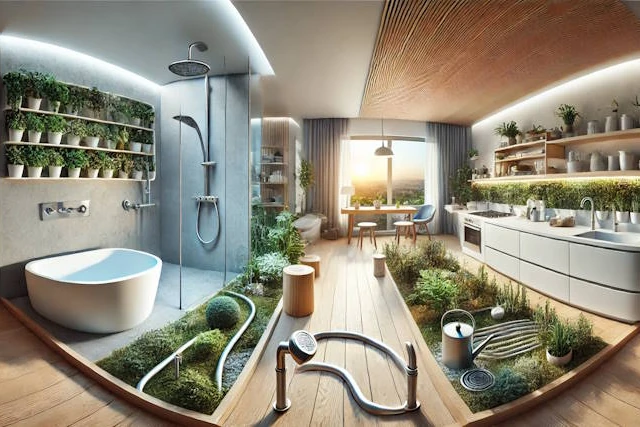
Bathrooms are one of the main areas of water use in the home. Installing low-flow showerheads and faucets can cut water use by up to 50%‚ making a noticeable difference. Shortening your showers is another effective way to save water; even cutting a few minutes off each shower can save gallons of water every day. Toilets also use a significant amount of water‚ so switching to dual-flush models or adding displacement devices to older toilets helps keep water use under control. Regularly checking pipes and fixtures for leaks is also important‚ as an unnoticed drip can waste a surprising amount of water over time.
Water-Saving Kitchen Habits
Kitchens also offer opportunities to save water through efficient habits and modern appliances. Washing dishes in a basin instead of under constantly running water saves several liters with every wash. Installing water-saving faucets with aerators can reduce the flow without compromising performance. When using a dishwasher‚ wait until you have a full load to make the most of the water. Consider modern dishwashers designed with water-saving features‚ as they use significantly less water than washing by hand or older models.
Smart Laundry Practices
The laundry room is another area where water use can be kept to a minimum. Running full loads instead of smaller ones saves both water and energy. If your washing machine has adjustable water settings‚ choose the right level based on the size of the load. Upgrading to a front-loading washing machine‚ which usually uses less water than top-loading models‚ is another way to cut water use. Using cold water settings for washing clothes saves water and energy‚ which makes it an eco-friendly choice for your household.
Saving Water Outdoors
Gardening and outdoor activities often require large amounts of water‚ but efficient methods can reduce waste. Choose drip irrigation systems rather than traditional sprinklers‚ as they deliver water directly to plant roots and minimize evaporation. Watering plants early in the morning or late in the evening also reduces water loss due to heat. Installing rain barrels to collect water for the garden is another effective way to rely less on the municipal water supply. Native plants and drought-tolerant landscaping further reduce the need for frequent watering and create an eco-friendly outdoor space.
In Summary
Reducing household water use is achievable through mindful habits and efficient fixtures. By putting these simple steps into practice‚ you can have a positive effect on the environment and enjoy lower utility bills. Small changes in water habits‚ both indoors and outdoors‚ contribute to a sustainable lifestyle and help preserve this precious resource for future generations.